
Music and Health
Are you interested in music and people?
Perhaps you are considering further studies in health sciences, pedagogy, music therapy, or other relationship-oriented professions?
Music is so much more than entertainment; it helps people in all life situations. This course gives you insight into the power found in music. Together, we explore how music can improve quality of life, strengthen language, and contribute to personal development—from the beginning of life to old age.
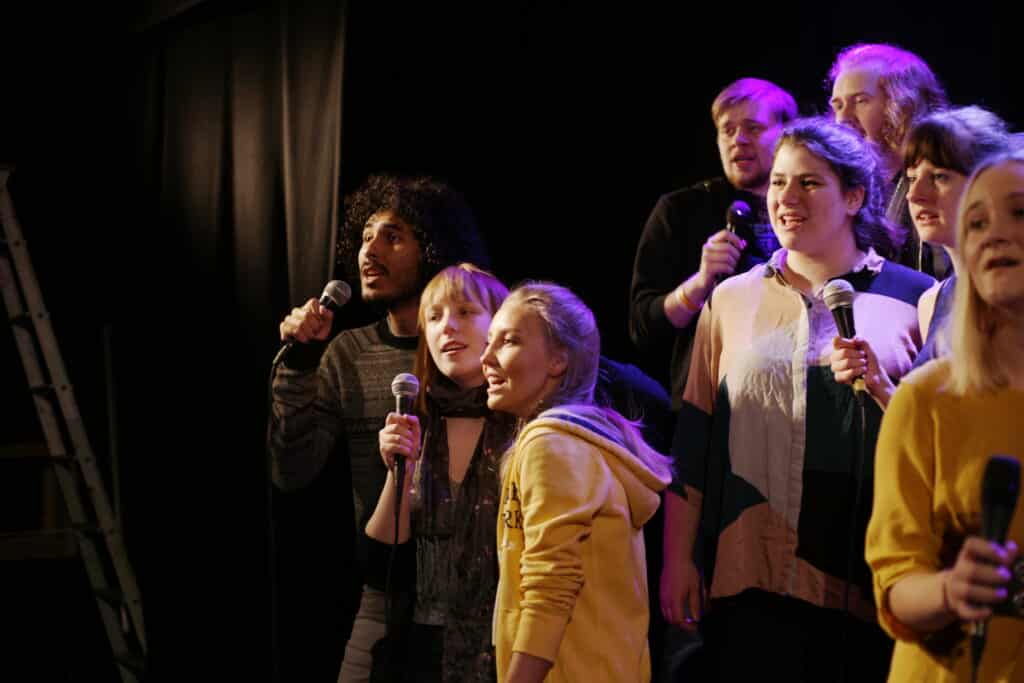
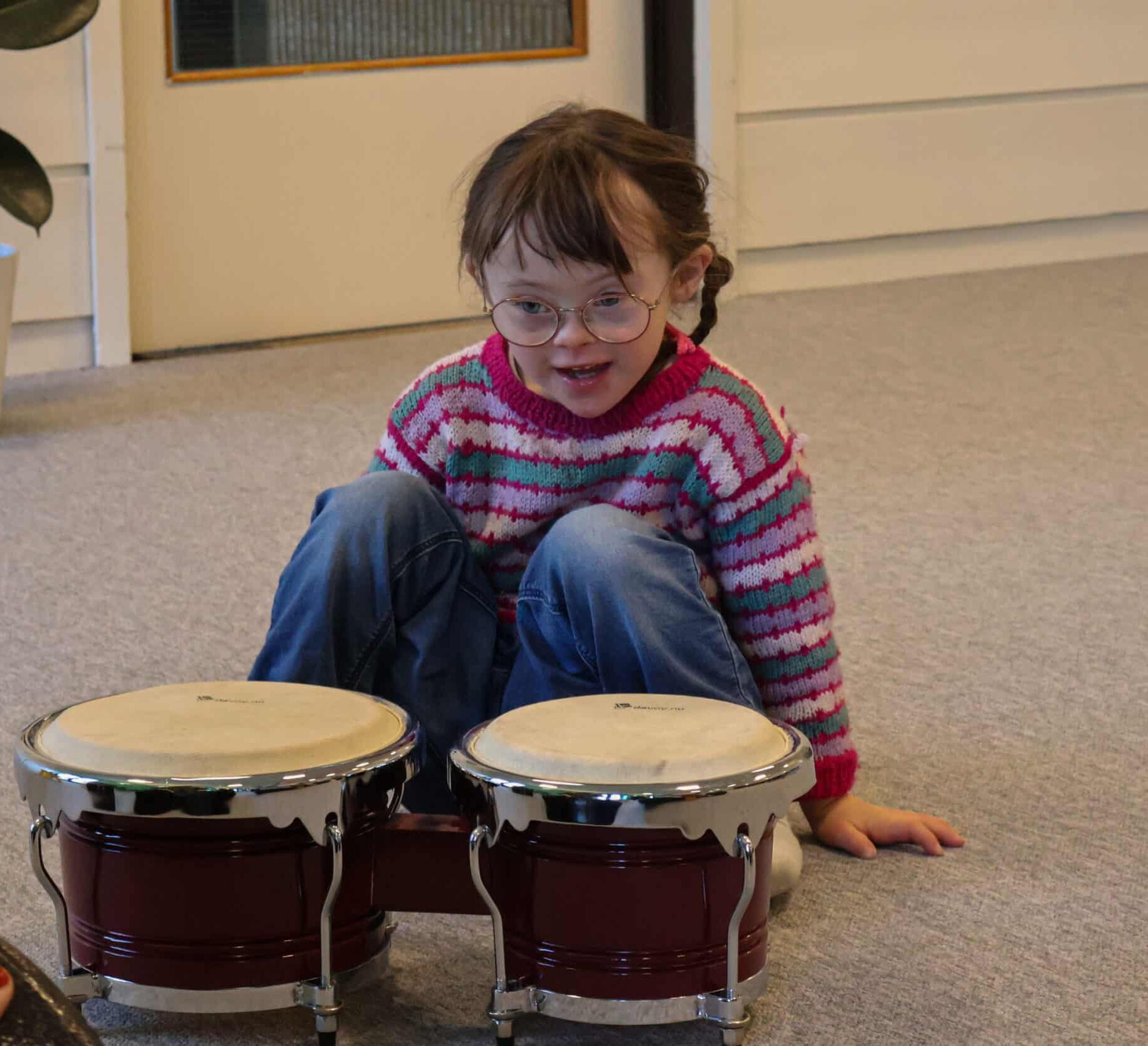
Course content
- Music and Life Skills
- Music from the Beginning of Life
- Facilitating Participation for All
- Music and Movement for the Elderly
- Planning and Implementing Music and Movement Activities
- Music in the Community – Community Music and Inclusive Music Projects
- Basic Sign Language and Key Word Sign as inclusive communication tools in music and interaction
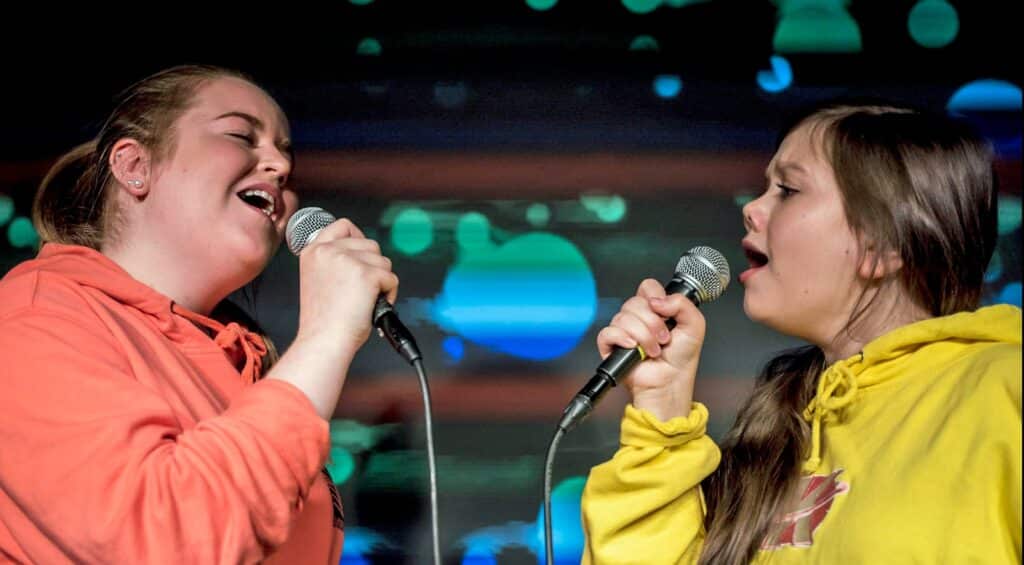
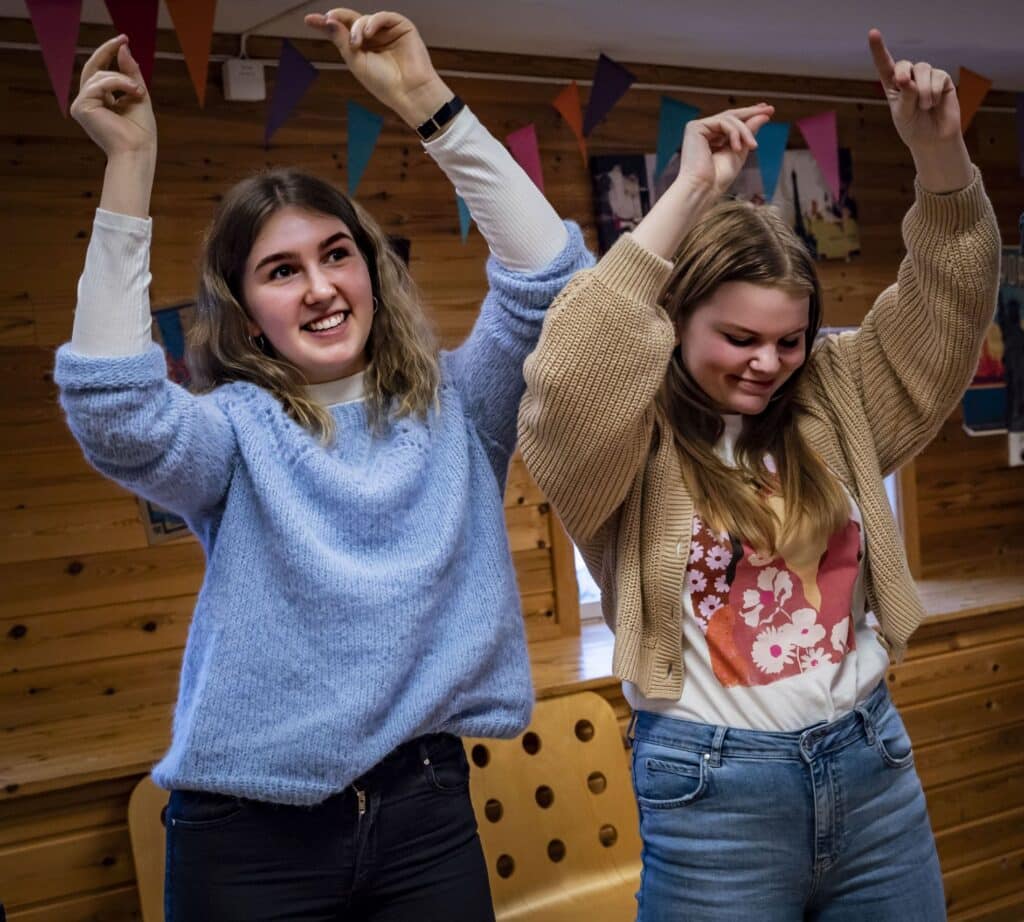
The teaching
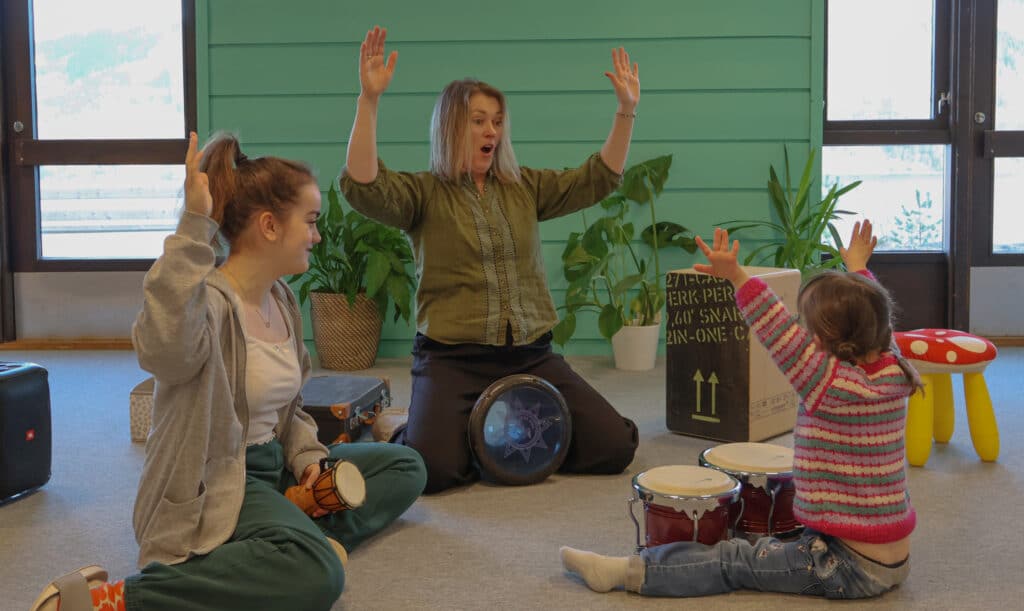
Teaching on this course is playful, exploratory, and practical. You will get to practice and test yourself in concrete musical situations, both with fellow students and individually. You will develop your own programs and reflect on your experiences with others. You will learn about how music can strengthen identity, belonging, and healthy self-esteem. We also explore how early language development can be stimulated through music, play, and movement.
Throughout the year, you will meet professional guest teachers from the music and health fields. They share experiences from working with children, youth, mental health, and community music.
We visit institutions and organizations that work with music and facilitate participation. You will also meet professionals with experience and expertise in music therapy and music and health.
Music and special education teacher Lena Andresen has pedagogical responsibility for the course. The course is otherwise developed in dialogue with professional environments in Bergen, including the Grieg Academy, the GAMUT research center, and the Polyfon knowledge cluster for music therapy.
Read more about Polyfon here: Polyfon Knowledge Cluster for Music Therapy | University of Bergen
What you will learn
- The importance of music for mental health, identity, and life skills
- Using music as a tool for strengthening relationships, communication, and inclusive communities
- Music in a health and life-course perspective
- How to facilitate musical activities for children, youth, and the elderly with functional variations.
- The importance of music for early language development
- Music and interaction
- Planning and implementing adapted music activities
- Music in dementia care
Study Trip: Brazil
Join us in colorful Brazil and experience firsthand how music creates joy in life!
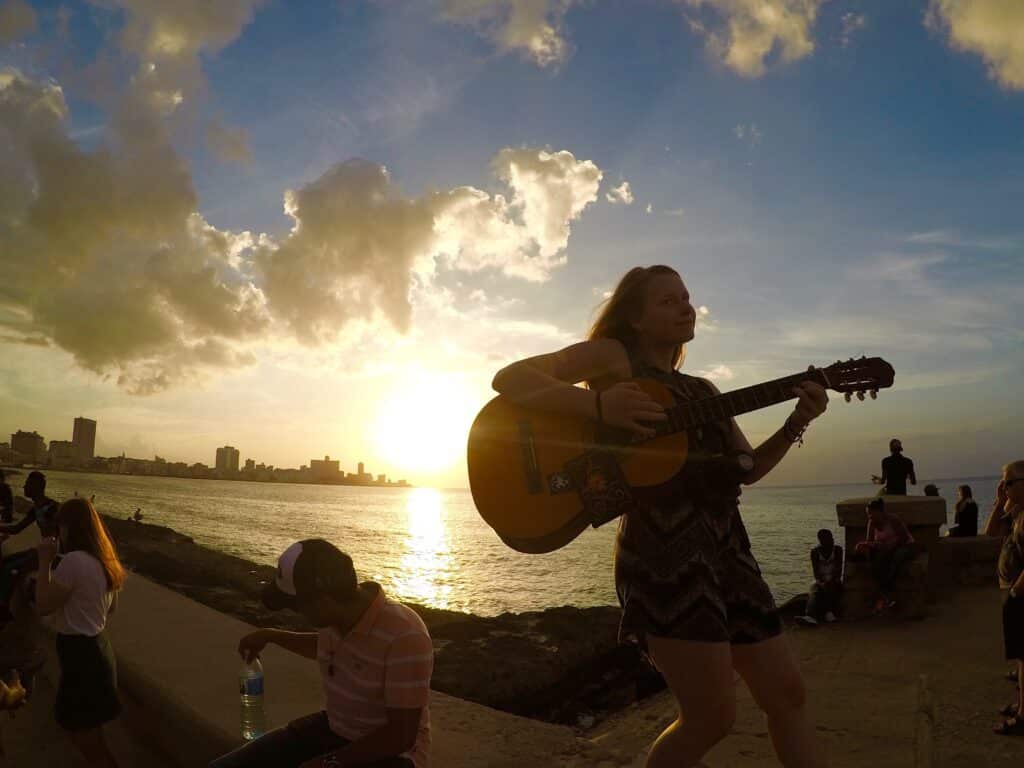
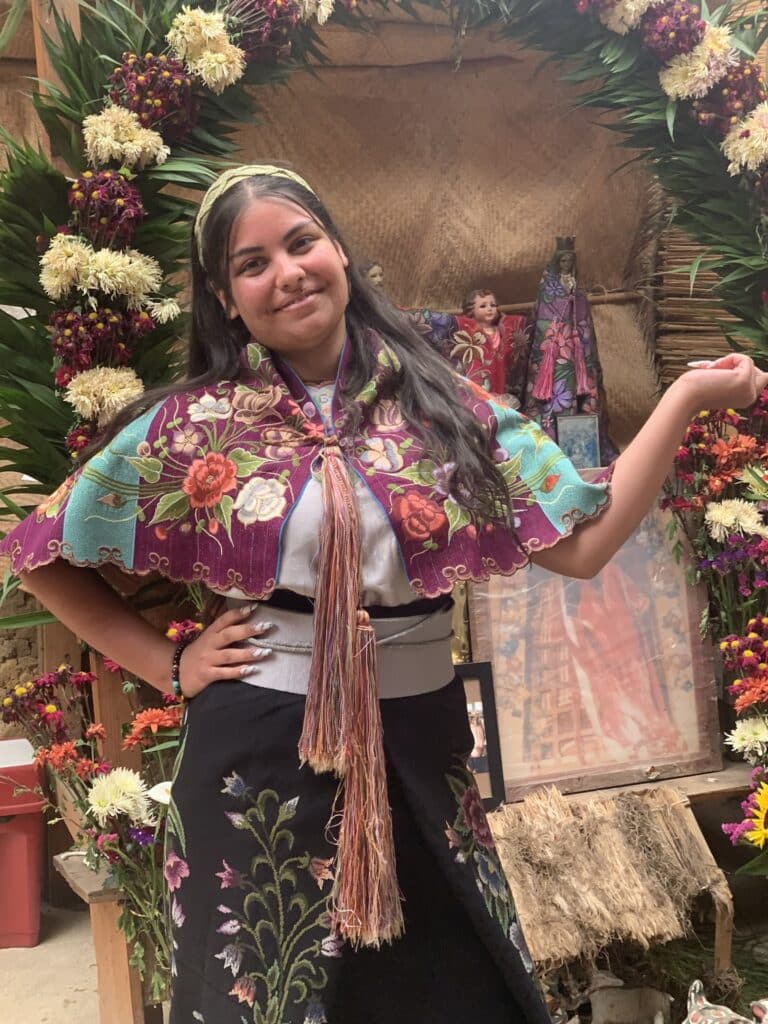
We are planning a study trip to an environment where music and dance are actively used in work with people and communities. Brazil has strong traditions of community music and projects where music creates inclusion, joy, identity, and hope.
On the study trip, you will gain insight into how music can be a resource in local communities and in various life situations. This is a travel experience that gives you new perspectives on music, dance, people, and yourself.
You will:
- participate in workshops with local musicians
- experience how music is used in social work
- meet dedicated people who use music to create change
- take part in a community where everyone can contribute
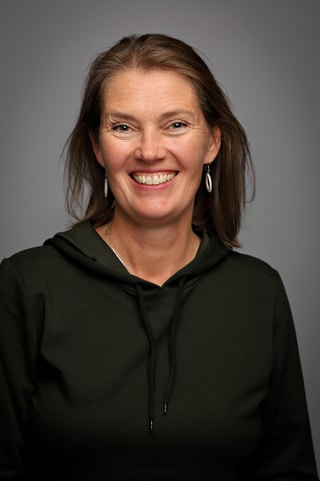
Pedagogical Supervisor Lena Andresen
Lena is a music educator, singer, and special educator, educated at the Grieg Academy and HVL. She has extensive experience using music as a tool to support, include, and create community with others. She has worked with everyone from the smallest babies, children, and youth to facilitating for people with functional variations. She is passionate about how music can contribute positively to life and wishes to share her knowledge and experience.
Guest Lecturers
The year will offer instruction from skilled teachers and inspiring guest instructors.
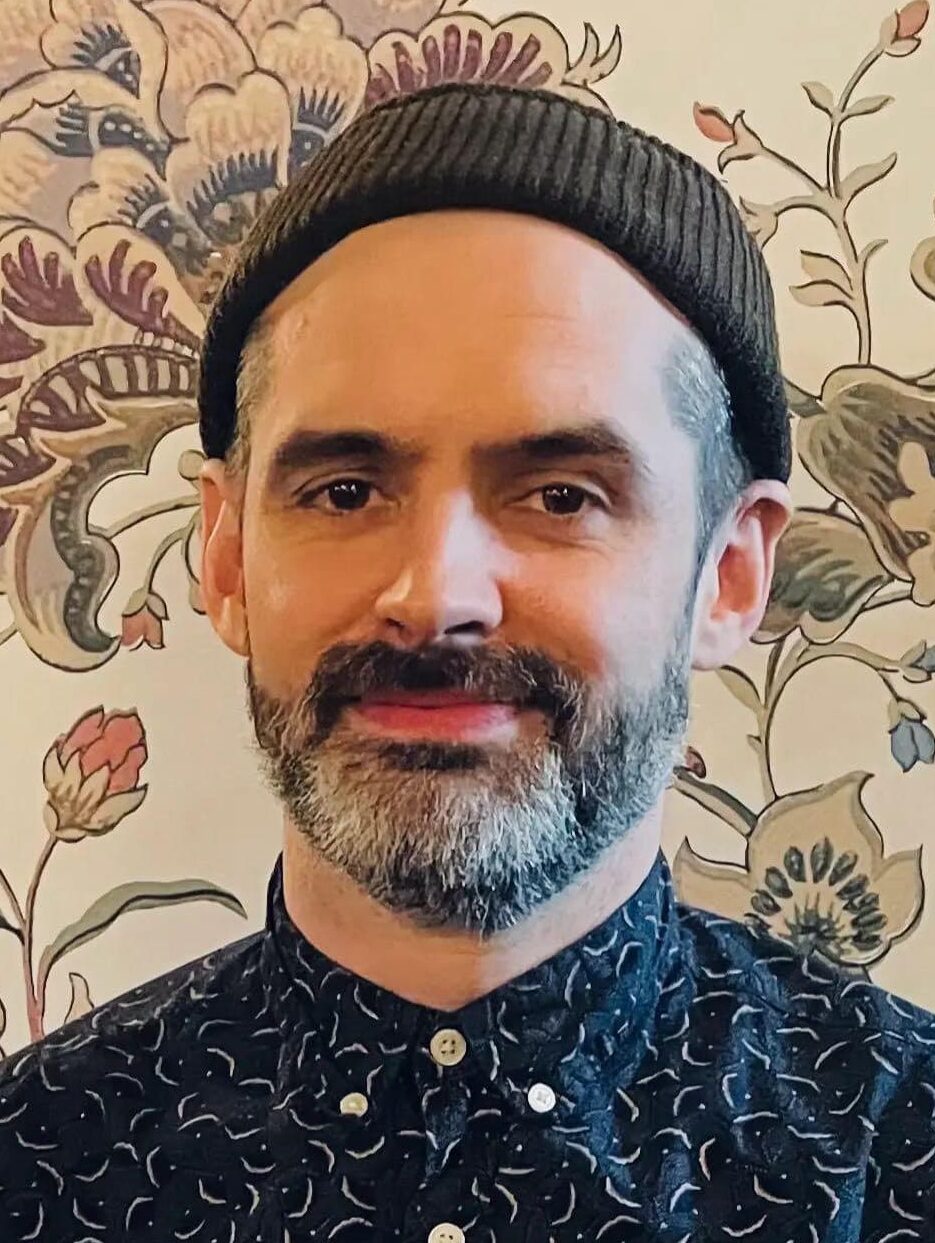
Nathan Smith has many years of experience in mental health and trauma-informed care working with children, youth, and adults. He is passionate about showing how music can function as a unique path to mastery, better health, and activism. He works at Nok in Bergen and also teaches at the Grieg Academy (UIB). He is also an active musician through the bands Ocean of Lotion and Blakk.
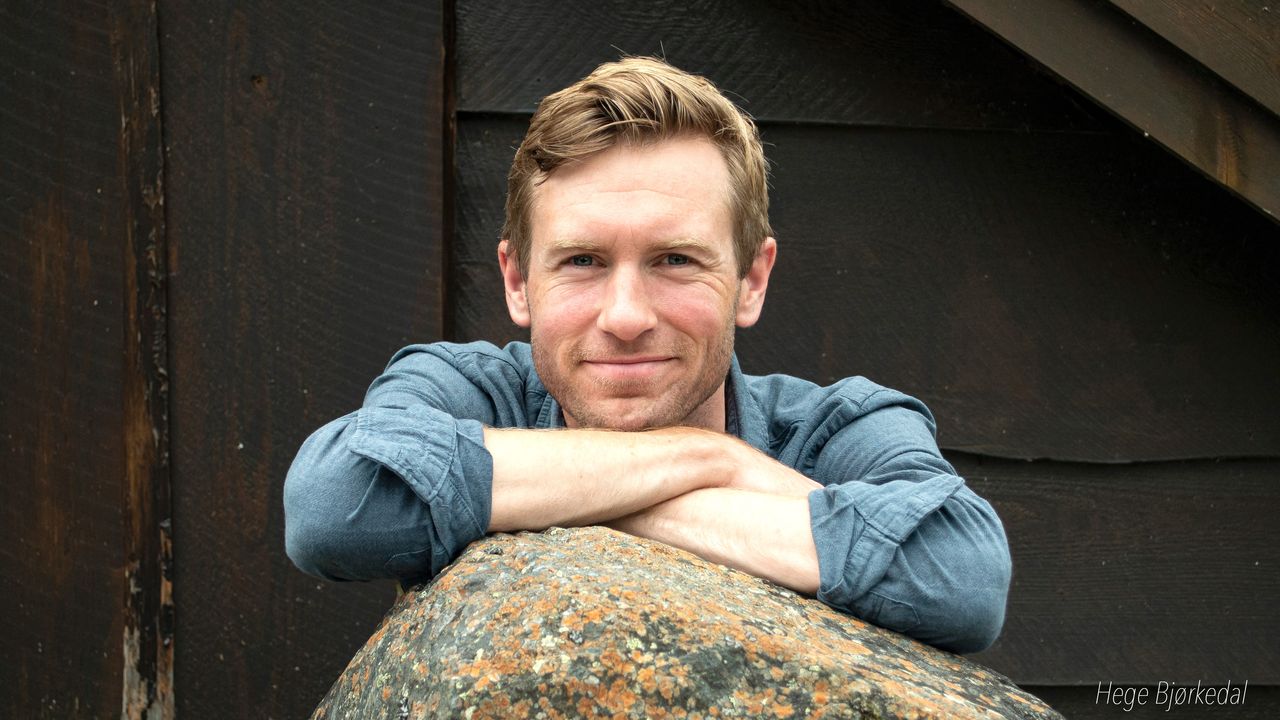
Øystein Eckhoff Holsvik is a creative, humorous guitarist and musician with broad experience in music communication. He enjoys playing in bands, but also as a traveling troubadour, where he sings, plays, and entertains with music. In addition, he has long experience working with music for young children. Øystein shows how music can create security, joy, engagement, and development—right from the beginning of life.
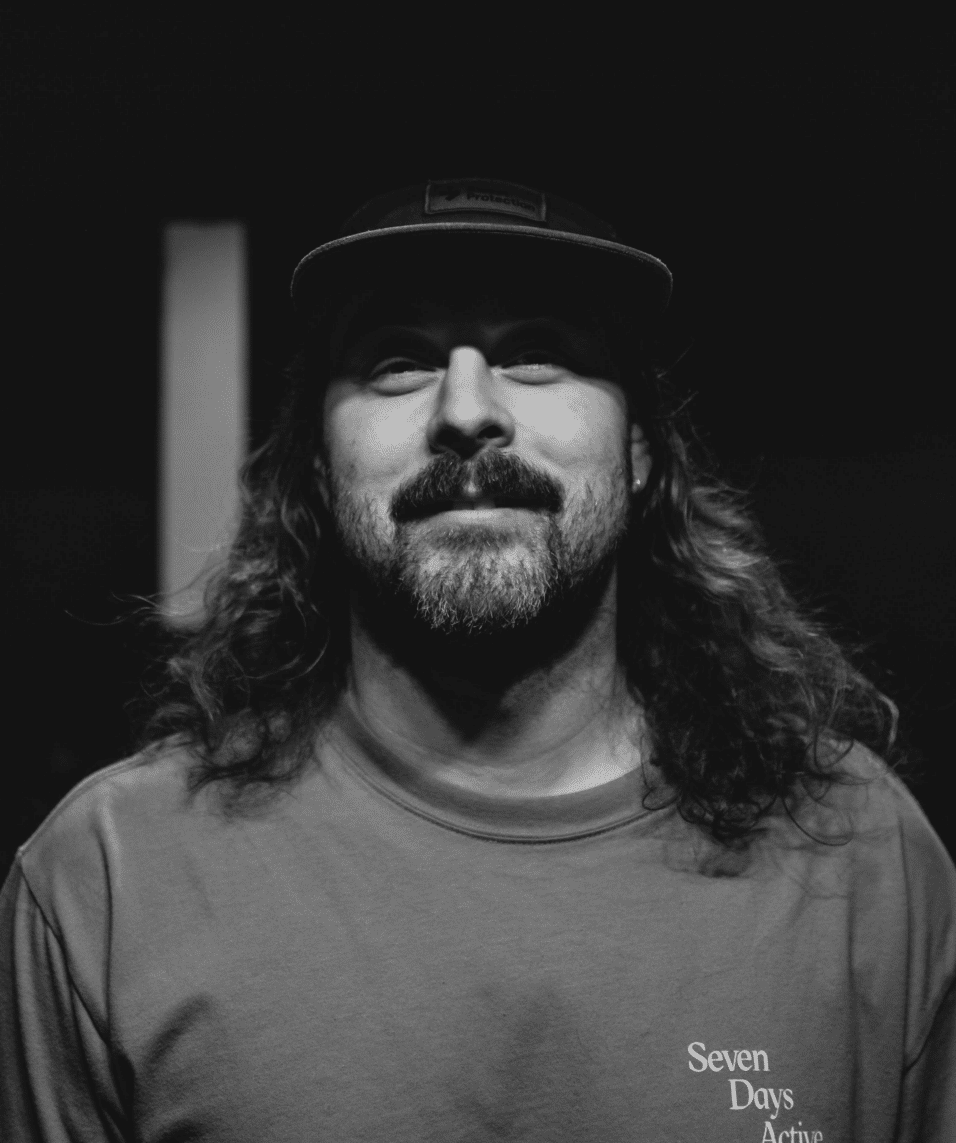
Olav Egeberg is a trained music therapist from the University of Bergen. In addition, he has studied music at the Bergen University College.
Since 1998, he has been active in capoeira, an Afro-Brazilian form of expression that includes physical play, dance, and music. He holds the title “Contramestre” and teaches both his own local group and at numerous annual gatherings at home and abroad. Capoeira is also one of his tools as a music therapist and was the theme of his master’s thesis.
In addition to contributing to others’ music projects, Olav is also active with his own music under the artist name Olav Wöllo. Here he produces and writes his own music with contributions from a number of talented musicians.
Olav currently works as a music therapist at Helse Bergen and combines this with external teaching assignments and his own music.
Apply for a place at school now
Applications are accepted on an ongoing basis and processed in the order they are received. It is always a good idea to be early.
Music and Health - Prices
Food and lodging
NOK 96 000,-Joint costs
NOK 12 000,-Group trip
NOK 5 500,-Line price incl. study trip
NOK 43,000
Total:
NOK 156 500,-
FAQ
Frequently Asked Questions
Who is this course for?
Music and Health is a course for those who love music and are simultaneously interested in how music can affect people, emotions, and quality of life. Here, music, relationships, reflection, and practical work with people are combined.
What do we work on in this course?
You will work with, among other things:
- music in encounters with people
- collaboration and relationship building
- music and mental health
- reflection on care, empathy, and responsibility
- practical musical activities
Teaching is varied and both practical and conversation-based.
Do I need to be able to play an instrument or sing?
It is an advantage to have an interest in music, but you do not need to be at a high level. The most important thing is that you are open, engaged, and curious about how music can be used in encounters with others.
What can I use this year for later?
The year provides valuable experience for those considering further studies or work in health, care, social work, pedagogy, or music. At the same time, you get a year that strengthens both professional understanding and personal development.