
Philosopher – Greece
Philosophy and Lived Life
Explore truth, goodness, and beauty in a creative community!
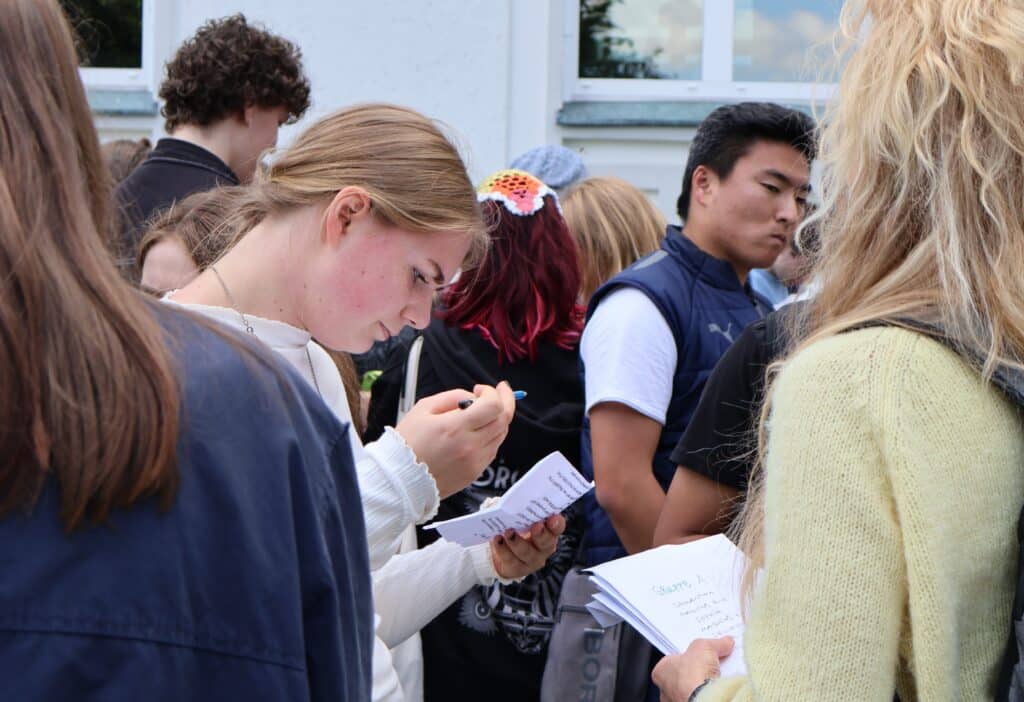
The Philosophy program invites a critical and engaged attitude toward life and the society we live in. We learn from the greatest names in philosophical history, but draw questions from our own time.
At Åsane Folk High School you’ll encounter a diversity of creativity, and in this brand new program you’ll have a unique opportunity to help shape something new. An important part of the school year will be, for example, planning together the program’s very first study trip to the cradle of Western philosophy. The head teacher envisions island hopping in Greece.
Philosopher will collaborate closely with the writing program Skriveverkstedet during the 2026-2027 school year. The two programs share the same head teacher and joint projects, but have different courses with experienced guest teachers in philosophy and creative writing respectively. Students in both programs can choose freely along the way.
Program content:
- Book Publication
- Argumentation Theory - and Practice
- Writing and Reflection Time
- Guidance
- Introduction to Major Philosophical Topics
- Stoicism, Political Philosophy, and Existential Philosophy
- Individual Main Project
- Moral Dilemmas
- Creative Challenges
- Study Trip to Greece
The teaching
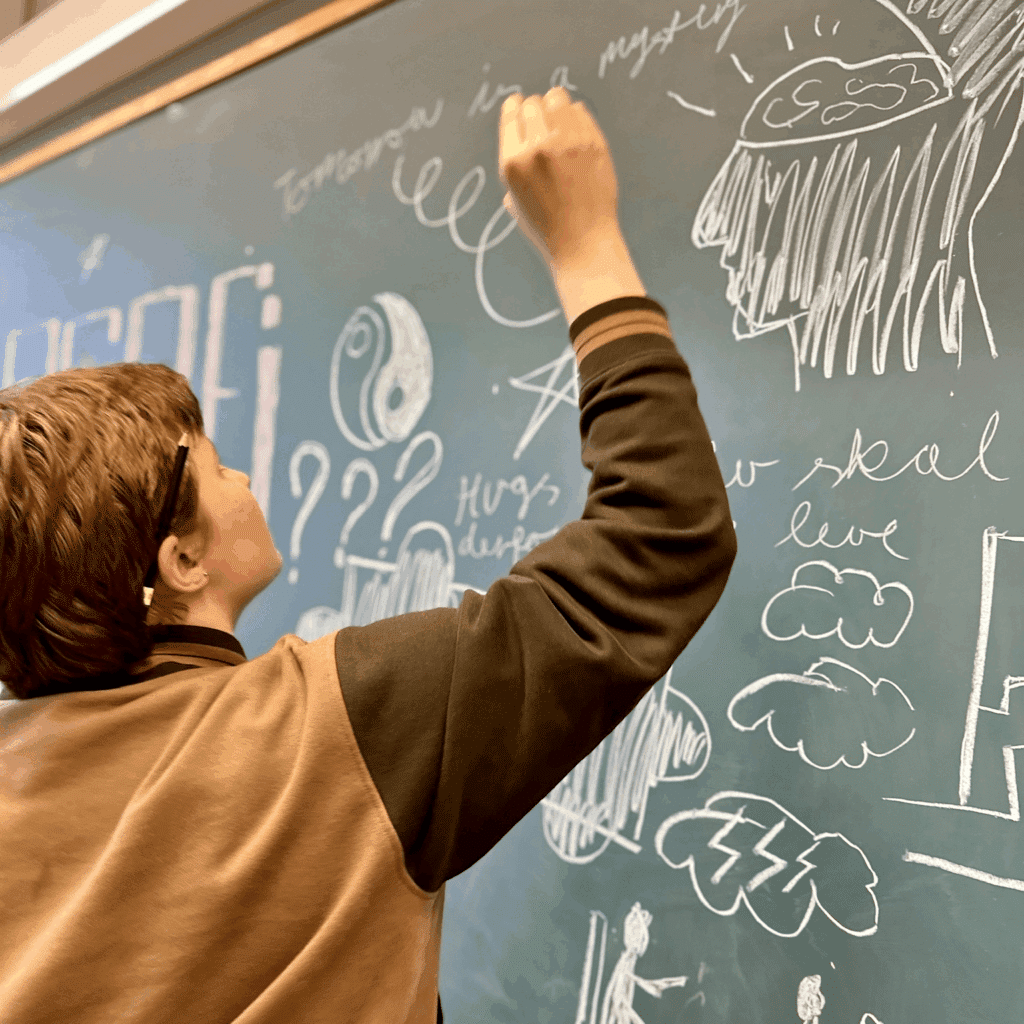
The year is structured into three main periods with different frameworks:
- Life Philosophy
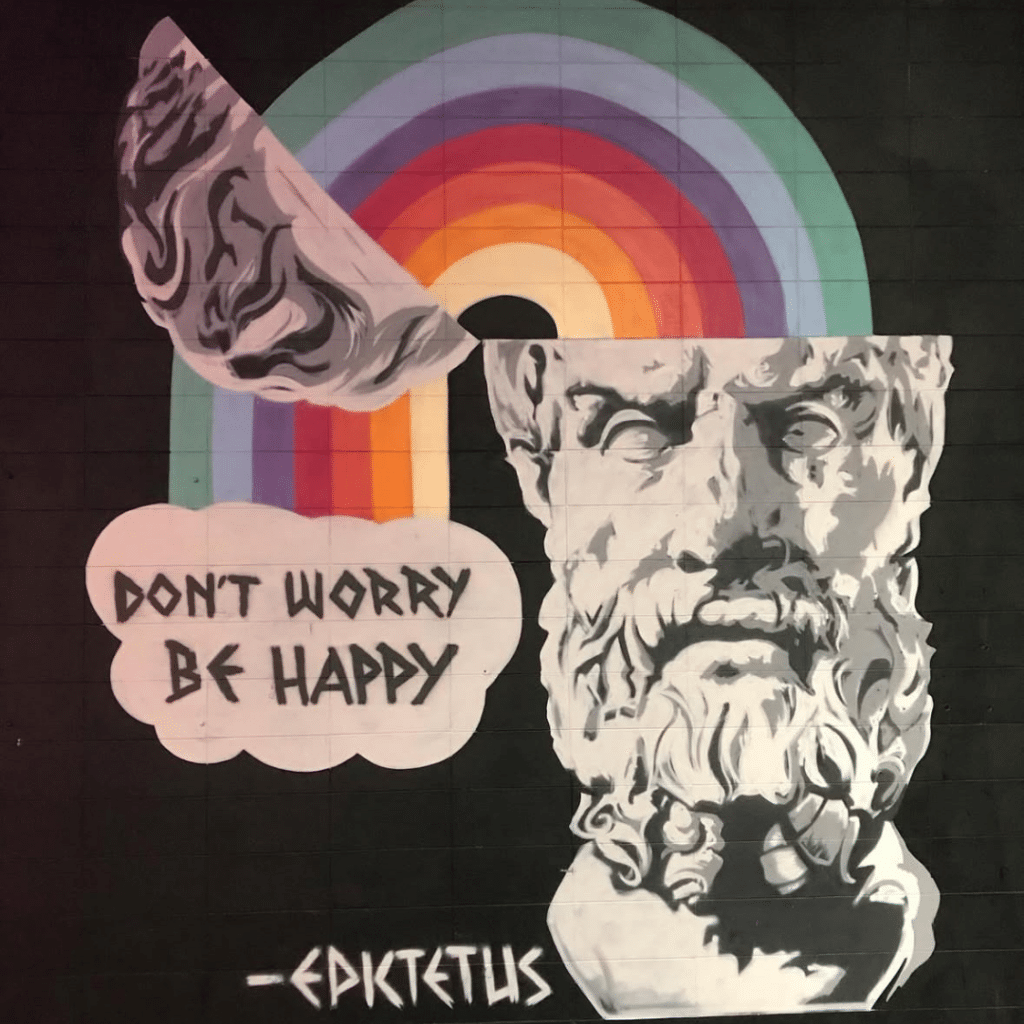
Life philosophy is practical philosophy, thoughts we can use in our own lives. This school year we’ll focus primarily on Stoicism. This branch of philosophy has gained renewed attention in recent years, perhaps because features of our modern media society have made the thoughts of Epictetus, Seneca, Marcus Aurelius and other Stoics relevant again. Like us, they were concerned with happiness, and emphasized that happiness depends on being able to distinguish between what’s important and what’s not, and what we can control and what we can’t.
- Existence and Ethics
Existential philosophy is a philosophical movement particularly concerned with what it means to be human, and what it means for us to be human in the world. The otherwise very different philosophers Kierkegaard and Nietzsche are considered the founding fathers of this movement in the 19th century, and we’ll follow the lines forward especially to the French 20th-century philosophers Sartre, De Beauvoir, and Camus. We dive into existential themes like freedom, anxiety, and life-lies.
- Political Philosophy
These are interesting times for anyone engaged in politics and philosophy. Politics, technology, religion, and money have merged into a higher unity. What gives social media in particular such great power in our lives? We’ll examine this in light of the philosopher Girard and his concept of “mimesis,” imitation. Have the world’s largest companies in Silicon Valley understood something about human nature that we haven’t?
Your Own Main Project
In Philosopher, each student develops their own main project throughout the year, with time and space for guidance and independent study. The project culminates in book publication through our own publishing house, where all students contribute text(s) and other material from their main project.
- How do we meet artificial intelligence with genuine intelligence and wisdom?
- How do we distinguish truth from lies in a media landscape marked by fake news and conspiracy theories?
- What gives social media in particular such great power in our lives?
- Have the world’s largest companies in Silicon Valley understood something about human nature that we haven’t?
- Why are young people in Norway called the achievement generation, and what does this mean in an existential philosophical light?
- What philosophical, political, and ethical questions does the climate crisis raise?

Program teacher Finn Birkeland
Finn has a master’s degree in philosophy and has taught philosophy, cultural understanding, academic and creative writing at universities and folk high schools.
From Finn:
All people have a philosophy. Everyone has some fundamental assumptions about the world, about other people, and about themselves. About what is true and good and beautiful, what matters. These assumptions are crucial to the choices we make in life, and that’s why it’s so important to examine our own and others’ philosophy critically.
The Philosophy program should be a year of personal development, whether you want to become a writer, carpenter or politician, social worker, oil worker, or professional philosopher. I don’t require any specific prior knowledge from students, but I expect curiosity and engagement.
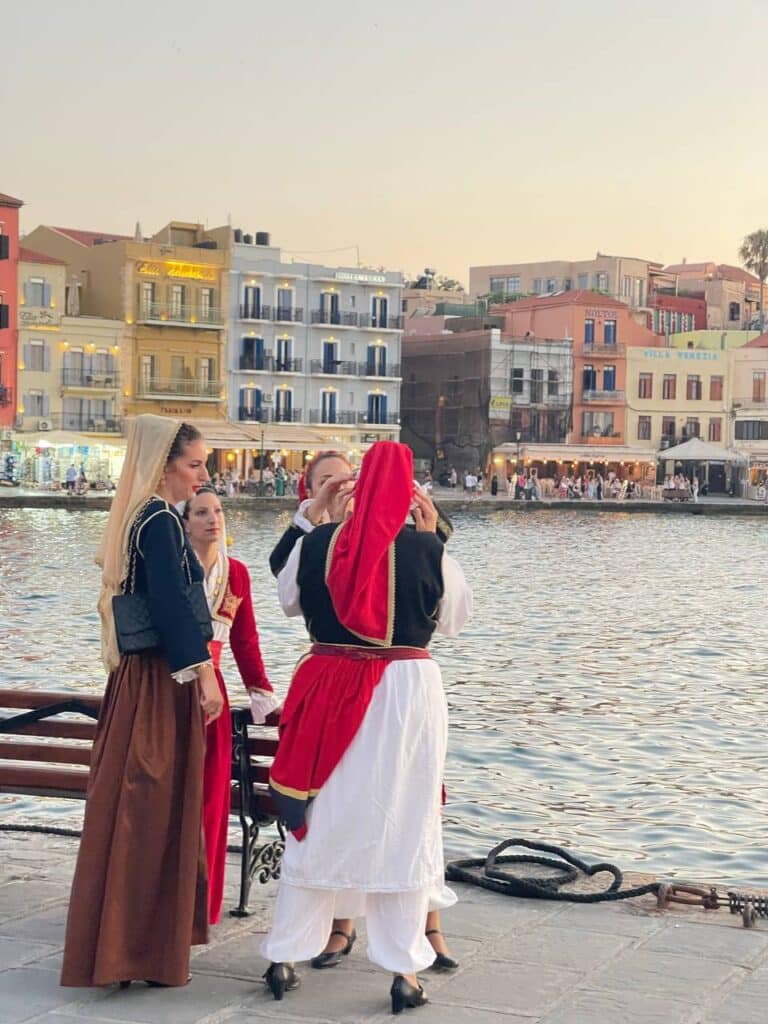
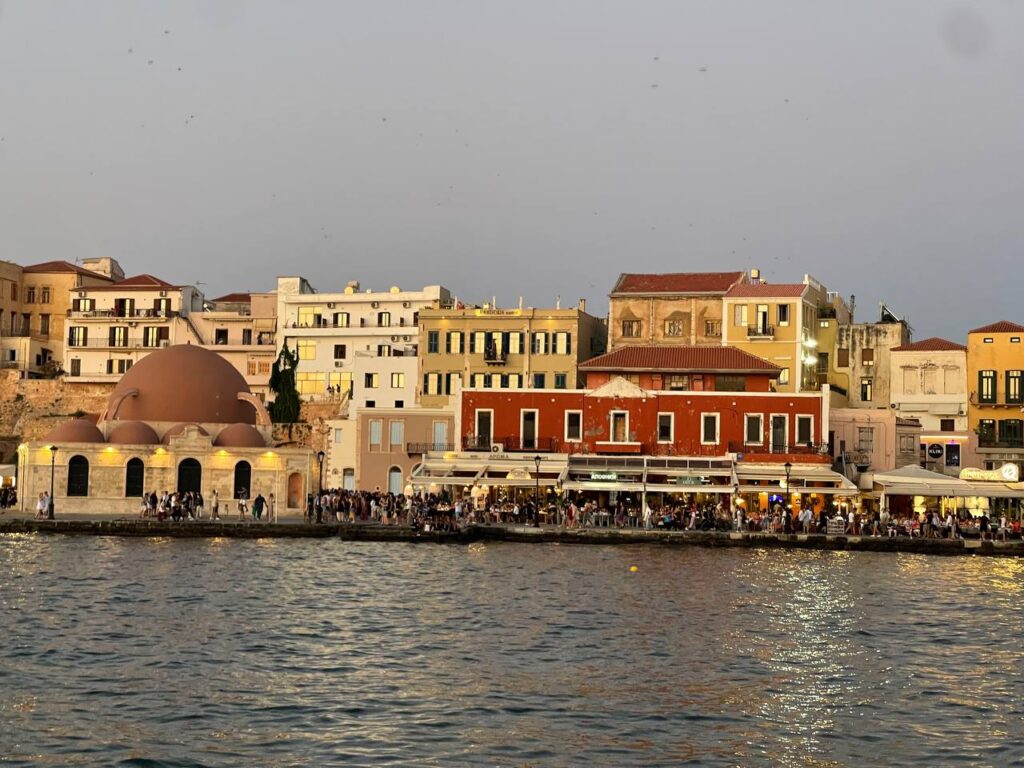
Study trip: Island hopping in Greece
The Philosophy program travels to Greece, where the cradle of philosophy awaits in Athens. Here we’ll see some of the world’s most iconic highlights:
- Acropolis with the Parthenon
- Agora – the ancient marketplace and philosophers’ meeting place
- The area of Plato’s Academy
We follow in the footsteps of Socrates, Plato, and Aristotle and reflect on how their ideas still influence us today.
After Athens, island hopping in the Cyclades awaits:
- Beautiful whitewashed villages
- Crystal clear sea
- Small picturesque beaches
- Diving and snorkeling
- Greek food
Here we can combine philosophical conversations with shared experiences, beach life, and freedom. We can spend time discussing, thinking, and getting to know each other and the world better.
Apply for a place at school now
Applications are accepted on an ongoing basis and processed in the order they are received. It is always a good idea to be early.
Philosopher - Island Hopping in Greece - prices
Food and lodging
NOK 96 000,-Joint costs
NOK 12 000,-Group trip
NOK 5 500,-Line price incl. study trip
kr 37,000
Total:
NOK 150 500,-
FAQ
Frequently Asked Questions
Who is the program for?
No prior knowledge required! A year of personal development for you who are curious – whether you become a carpenter or prime minister. The Philosophy program gives you a foundation and advantage for Ex.phil and other studies.
What is the Philosopher program?
Do I need experience?
What do we work on in the program?
The teaching is varied and dialogue-based. You get, among other things:
- conversations and discussions
- work with philosophical questions and texts
- reflection on ethics, identity, and society
- group work and creative approaches
There’s less memorization and more thinking, talking, and exploring.
Do I have to be good at speaking in groups?
What is the teacher's role?
What can I use the year for going forward?
The year can give you:
- greater capacity for reflection
- confidence in your own opinions
- better ability to listen and discuss
- time and space to get to know yourself
-
it also gives you useful prior knowledge for Ex.phil (examen philosophicum) and can make the transition to further studies easier.
This is useful whether you continue to studies, work, or are still unsure what you want.